

Injury Recovery & Rehab
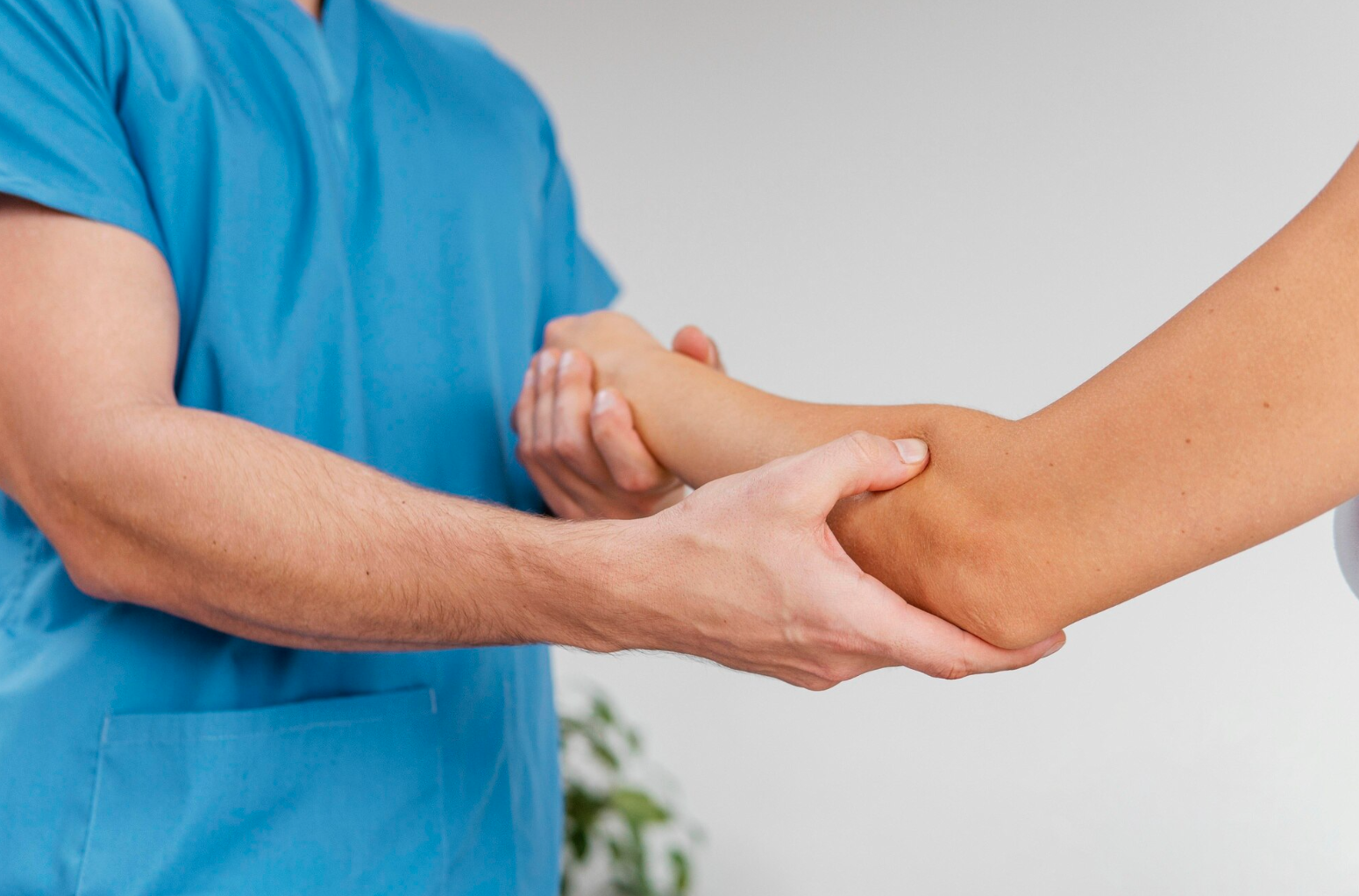
What Causes Tendonitis?
In general, tendonitis causes pain in the tissues surrounding a joint, especially after the joint is used too much during play or work.
In some cases, the joint may feel weak, and the area may be red, swollen and warm to the touch.
Symptoms of Tendonitis
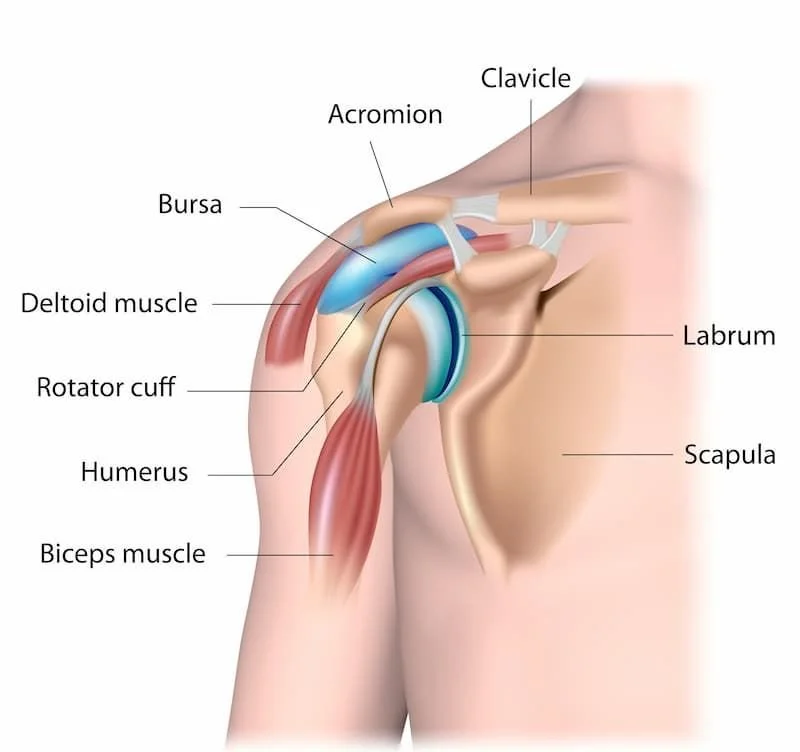
Rotator cuff tendonitis - Usually dull, aching shoulder pain that can't be tied to one location. It often radiates into the upper arm toward the chest. The pain is often worse at night and may interfere with sleep.
Jumper's knee - Pain below the kneecap and, sometimes, above it
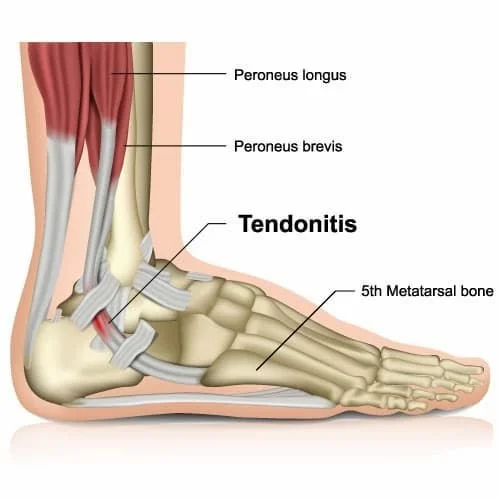
Achilles tendonitis - Pain at the back of the heel or 2 to 4 inches above the heel
Your First Step Is Free.
No pressure, no hard sell, no commitment. Just a real conversation about what you’re dealing with and whether we can help. Pick a time below and let’s talk.
What is Tennis/Golfer’s Elbow?
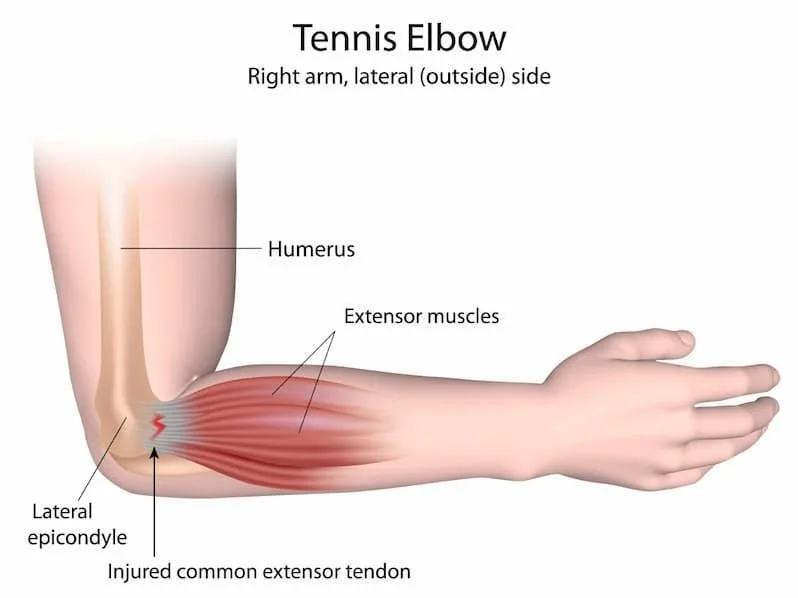
Tennis Elbow
Lateral epicondylitis (tennis elbow) causes pain on the outer side of the elbow joint. This condition probably affects 40% to 50% of all adult athletes who play racquet sports. It also can be caused by any activity that repeatedly twists and flexes the wrist, such as pulling weeds, using a screwdriver or even carrying a briefcase.
Golfer's Elbow
Medial epicondylitis (golfer's elbow) causes pain on the inner side of the elbow. It is a less common injury than tennis elbow and, despite its name, it is more likely to be related an occupation that requires repeated elbow movements (such as construction work) than to sports. When it does occur as a sports injury, medial epicondylitis can be triggered by repeatedly swinging a golf club or throwing a baseball.